
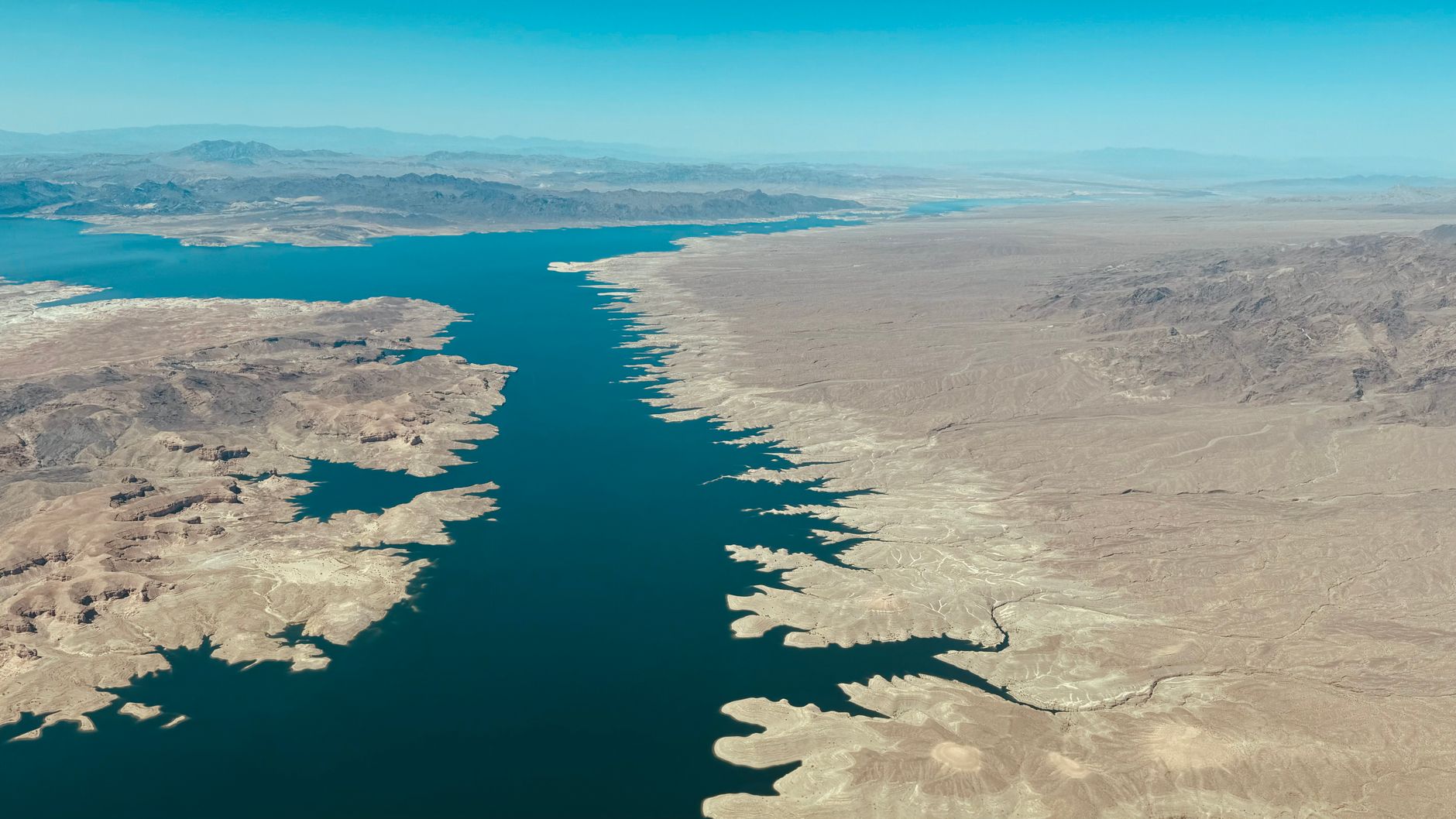
Negotiations among the seven Colorado River Basin states are accelerating as federal and state officials work to replace the 2007 Interim Guidelines, which have governed operations at Lake Powell and Lake Mead for nearly two decades. The Bureau of Reclamation is currently undertaking a National Environmental Policy Act process to establish the new operational framework, with the urgency compounded by historic lows at the nation’s two largest reservoirs. Officials recognize that the interim rules failed to adequately address the prolonged drought, requiring a massive policy reset to secure water reliability for millions across the West.
The core issue driving the negotiations is a fundamental mass balance problem, as the system consistently sees more water released from Lake Powell and Lake Mead than flows into them. Water Year 2026 proved to be extremely dry, reinforcing the stark reality that the region is using more Colorado River water than the natural hydrology can reliably provide. Federal authorities have previously stated that 2 to 4 million acre-feet of water must be conserved annually just to stabilize the rapidly depleting reservoirs.
Reaching a seven-state consensus remains a formidable challenge, as the Upper Basin and Lower Basin states submitted entirely separate proposals for river management in March 2024. The Bureau of Reclamation has since been developing a federal preferred alternative, heavily informed by the competing proposals, but the lack of a unified agreement highlights the deep divides over who must bear the brunt of the necessary cutbacks. Negotiators were recently given a tight deadline to submit their final input as the federal process accelerates toward a finalized Record of Decision.
The Lower Basin’s proposal included several unprecedented conservation measures, such as establishing an early warning safety trigger. Under this framework, if a 24-month study projects Lake Mead dropping below an elevation of 1010 feet, Reclamation would be required to consult on additional protective actions. Furthermore, beginning in 2027, the proposal suggests applying a 3% annual evaporation assessment to Intentionally Created Surplus accounts, ensuring that stored water better reflects the actual physical losses occurring in the reservoir.
Despite the internal conflicts between the states, international cooperation has provided some stability, notably through Minute 334, which renewed the water-sharing and conservation agreement between the United States and Mexico. However, water experts and environmental advocates warn that new rules will only buy time, and massive investments in agricultural and municipal water conservation are the only true solutions to the structural deficit. The decisions finalized in the coming months will dictate the ecological and economic future of the entire Colorado River Basin for decades.
Leave a Reply