
DENVER — Following the end of daylight saving time on November 1, the Colorado Department of Transportation, Colorado Parks and Wildlife, and the Colorado State Patrol have issued a joint statewide advisory urging motorists to exercise heightened caution during peak autumn wildlife migrations, according to a Colorado Department of Transportation news release. State troopers responded to 3,811 wildlife-vehicle collisions across Colorado last year, with October, November, and December consistently ranking as the most hazardous months as earlier evening darkness coincides with rush-hour traffic and seasonal animal movement.
Colorado Parks and Wildlife Movement Coordinator Michelle Cowardin noted that Colorado sustains the largest elk population in North America alongside large herds of mule deer, moose, pronghorn, and bighorn sheep that cross major highway corridors while descending to lower-elevation winter ranges. State wildlife biologists also warned in the Colorado Department of Transportation news release that record-high black bear activity across Colorado this fall has increased dawn and dusk roadway hazards as bears forage aggressively before hibernation.
To expand permanent highway protections, the state is preparing to launch the Wildlife Collision Prevention Program on January 1, 2027, following the passage of Senate Bill 141. The law introduces an optional $5 fee during passenger vehicle, light truck, motorcycle, and recreational vehicle registrations to finance highway overpasses, underpasses, wildlife guards, and high exclusionary fencing. Colorado Department of Transportation Chief Engineer Keith Stefanik stated in the Colorado Department of Transportation news release that engineered crossings—such as the Interstate 25 Greenland Wildlife Overpass and U.S. Highway 160 Fort Garland underpasses—reduce wildlife-vehicle collisions by 80 to 90 percent.
The highway safety push arrives as Colorado Parks and Wildlife also recalibrates its predator management protocols. On November 2, Director Laura Clellan announced the publication of final investigative reports covering three lethal gray wolf removal operations conducted on September 7 and September 9, according to a Colorado Parks and Wildlife release via EIN Presswire. Those removals occurred prior to the agency’s September 30 temporary suspension of its chronic depredation directive. Clellan confirmed that wildlife officials will evaluate any further wolf removals on a strict case-by-case basis to protect population growth through the current biological year ending March 31, 2027, while prioritizing non-lethal conflict reduction tools with livestock producers ahead of revised guidelines taking effect on April 1, 2027.
©️ The Rocky Mountain Dispatch LLC. 2026
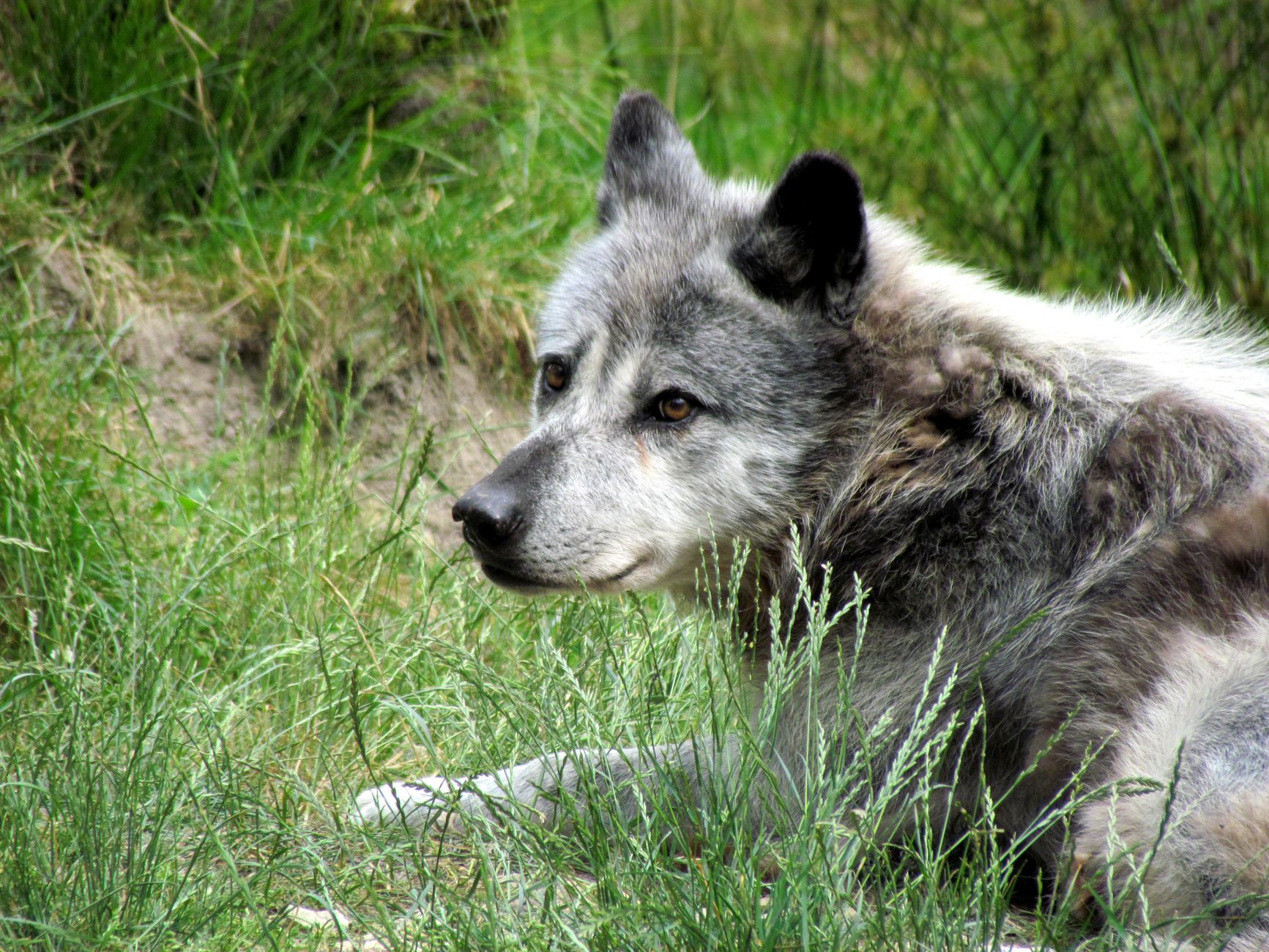
State Agencies Issue Autumn Wildlife Migration Alert and Finalize Wolf Removal Reports
Discover more from NEWS THAT MOVES YOU
Subscribe to get the latest posts sent to your email.
Leave a Reply