
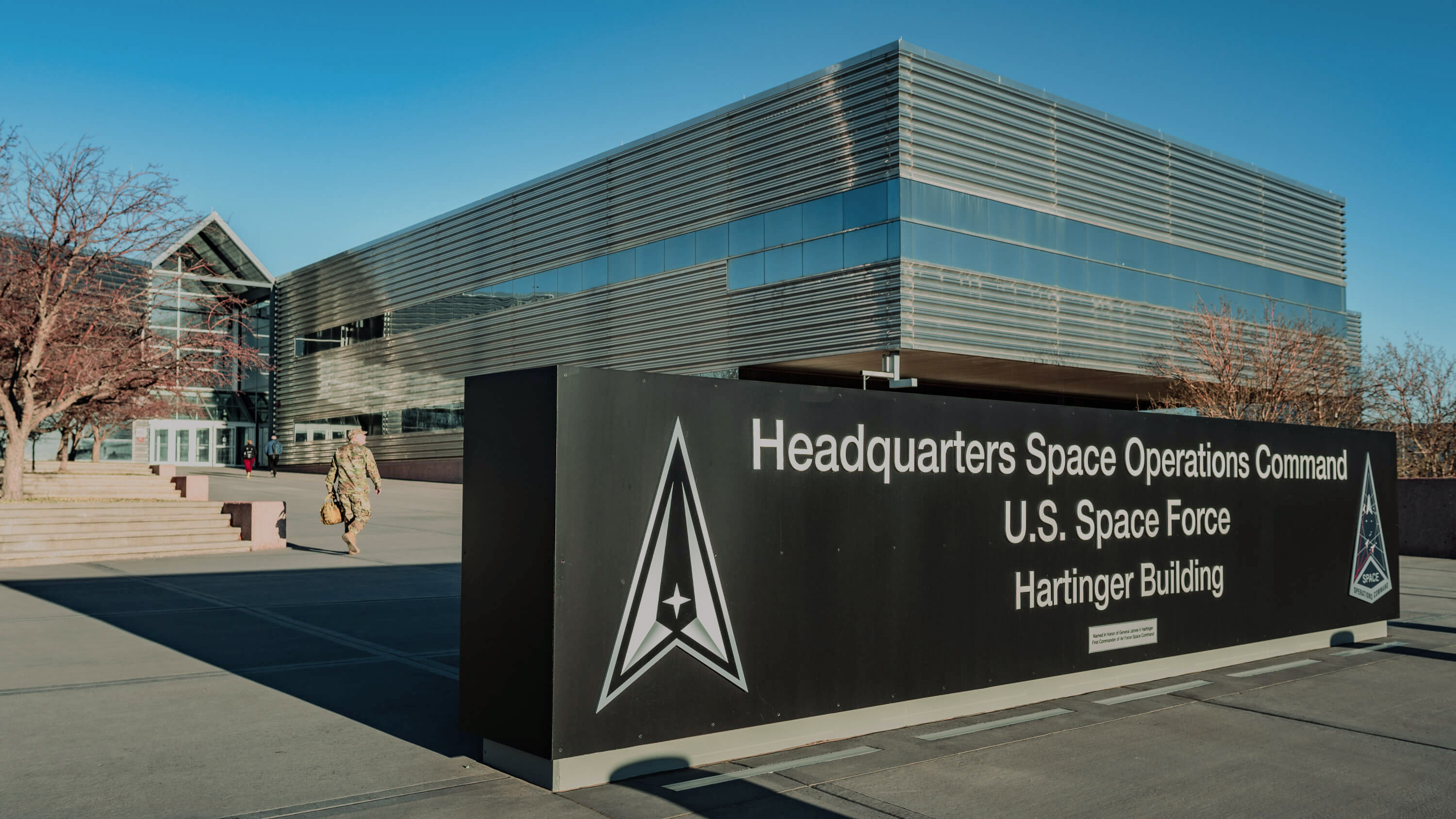

In a decision that has stirred both strategic debate and civic unrest, President Donald Trump has announced that U.S. Space Command will be relocated from its current headquarters in Colorado Springs to Redstone Arsenal in Huntsville, Alabama. The announcement, made in early September 2025, marks the culmination of a years-long tug-of-war between administrations, military advisors, and state leaders over the future of America’s space defense infrastructure.
To understand the gravity of this move, one must first understand the history of Space Command itself. Originally established in 1985 during the Cold War, U.S. Space Command was headquartered at Peterson Air Force Base in Colorado Springs. Its mission was clear: to coordinate military operations in space, including missile warning, satellite control, and space surveillance. For nearly two decades, Colorado served as the nerve center for these efforts. But in 2002, following the post-9/11 reorganization of military priorities, Space Command was disbanded and absorbed into U.S. Strategic Command. The shift reflected a broader pivot toward counterterrorism and homeland defense.
The story didn’t end there. As adversaries like China and Russia ramped up their anti-satellite capabilities, the need for a dedicated space command resurfaced. In August 2019, during Trump’s first term, Space Command was reestablished as a unified combatant command—again headquartered in Colorado Springs. The city’s proximity to NORAD, Schriever Space Force Base, and other key installations made it a natural choice. In 2023, President Biden affirmed that decision, citing operational readiness and the risks of disruption. But now, in Trump’s second term, the pendulum has swung back. The command is being moved to Alabama, a state with deep Republican roots and a long history in aerospace development.
This relocation is not a mere administrative shuffle. It will fundamentally alter the structure of Colorado Springs, a city that has built its identity around national defense. The command supports over 1,700 personnel and injects more than a billion dollars annually into the local economy. Its presence has fueled growth in defense contracting, housing, and civic infrastructure. Losing it means losing not just jobs, but a strategic anchor that has shaped the region’s trajectory for decades.
Politically, the move has reignited tensions between federal authority and state advocacy. Colorado leaders, including Governor Jared Polis and Senators Michael Bennet and John Hickenlooper, have condemned the decision as politically motivated and strategically unsound. They argue that the relocation undermines military readiness and disregards bipartisan consensus. Yet under Trump’s executive authority, the decision appears final. Alabama’s Redstone Arsenal, already home to the Army’s Space and Missile Defense Command and NASA’s Marshall Space Flight Center, will now host one of the most critical components of U.S. military infrastructure.
For Colorado Springs, the challenge now is to recalibrate. The city must redefine its role in national defense, perhaps by doubling down on Space Force operations or investing in cyber defense and aerospace innovation. It must also reckon with the emotional and symbolic loss of a command that has long represented its strategic relevance. For the state as a whole, the relocation serves as a stark reminder of the volatility of federal investment and the need to assert its value beyond partisan politics.
This moment is more than a loss. It’s a call to leadership, innovation, and resilience. The Rocky Mountain Dispatch will continue to follow this story, amplifying the voices of those affected and holding power to account. Colorado’s strategic story is far from over. It’s entering a new chapter—one that demands clarity, courage, and community.
©️ The Rocky Mountain Dispatch LLC. 2025
Leave a Reply