
The serenity of the snow-capped Rockies masks a burgeoning catastrophe that hydrologists now describe as a “historically dire” collapse of the Colorado River system. As of May 8, 2026, the state of Colorado stands at a precarious crossroads where climate reality has finally outpaced the century-old legal frameworks designed to govern the West’s most vital resource. While autumn storms initially provided a flicker of hope for the 40 million people who rely on this basin, a record-breaking warm spell in March coupled with an anemic spring snowpack has effectively evaporated the state’s water security.
The numbers released by the Bureau of Reclamation this week are nothing short of staggering. Lake Powell is currently projected to receive a mere thirteen percent of its historical average summer inflow, a figure that represents the lowest runoff on record. This hydrologic failure has forced federal authorities to initiate a drastic two-pronged emergency strategy. To prevent Lake Powell from dropping below “power pool” levels—the point at which the Glen Canyon Dam can no longer generate electricity—officials have authorized massive upstream releases from the Flaming Gorge Reservoir while simultaneously slashing water deliveries to the Lower Basin states of Arizona, California, and Nevada.
This physical shortage has ignited a fierce legal and political stalemate as the seven basin states scramble to replace the expiring 2007 Interim Guidelines. The current negotiations have revealed a profound rift between the Upper and Lower Basins. Negotiators from Colorado have recently issued a tepid and ultimately dismissive response to a conservation proposal from their downstream neighbors. Colorado officials argue that the state already bears the brunt of “natural” cuts dictated by annual snowfall, while the Lower Basin has historically enjoyed more consistent deliveries from reservoir storage. This “Post-2026 Operational Framework” remains deadlocked, with Colorado leaning heavily on the 1922 Colorado River Compact to defend its right to use its allocated share without being penalized for the climate-driven aridification of the region.
Closer to home, the legal landscape is shifting just as rapidly as the riverbeds. A landmark ruling by the Colorado Supreme Court earlier this week has confirmed that water-related enterprises maintain the power of eminent domain to condemn private property for the construction of essential pipelines. This decision ensures that infrastructure projects designed to move forty thousand acre-feet of water annually can proceed, even as private landowners voice concerns over property rights. Simultaneously, the state is grappling with a surge in “water banking” litigation, where courts must decide if agricultural users can preserve their water rights while leaving water in the stream for environmental conservation—a direct challenge to the traditional “use it or lose it” doctrine that has defined Western water law for generations.
The inclusion of Tribal water rights has also become a focal point of the 2026 negotiations. For the first time in a century, the thirty federally recognized tribes in the basin, who hold rights to roughly one-quarter of the river’s total flow, are being integrated into the permanent operational framework. However, with a federal deadline of October 1 looming, the Department of the Interior has warned that it will bypass state negotiations and impose its own management plan if a consensus is not reached. For Colorado, the coming months represent more than just a policy debate; they are a fight for the survival of the state’s agricultural heritage and the sustainability of its booming urban corridors in a future defined by scarcity.
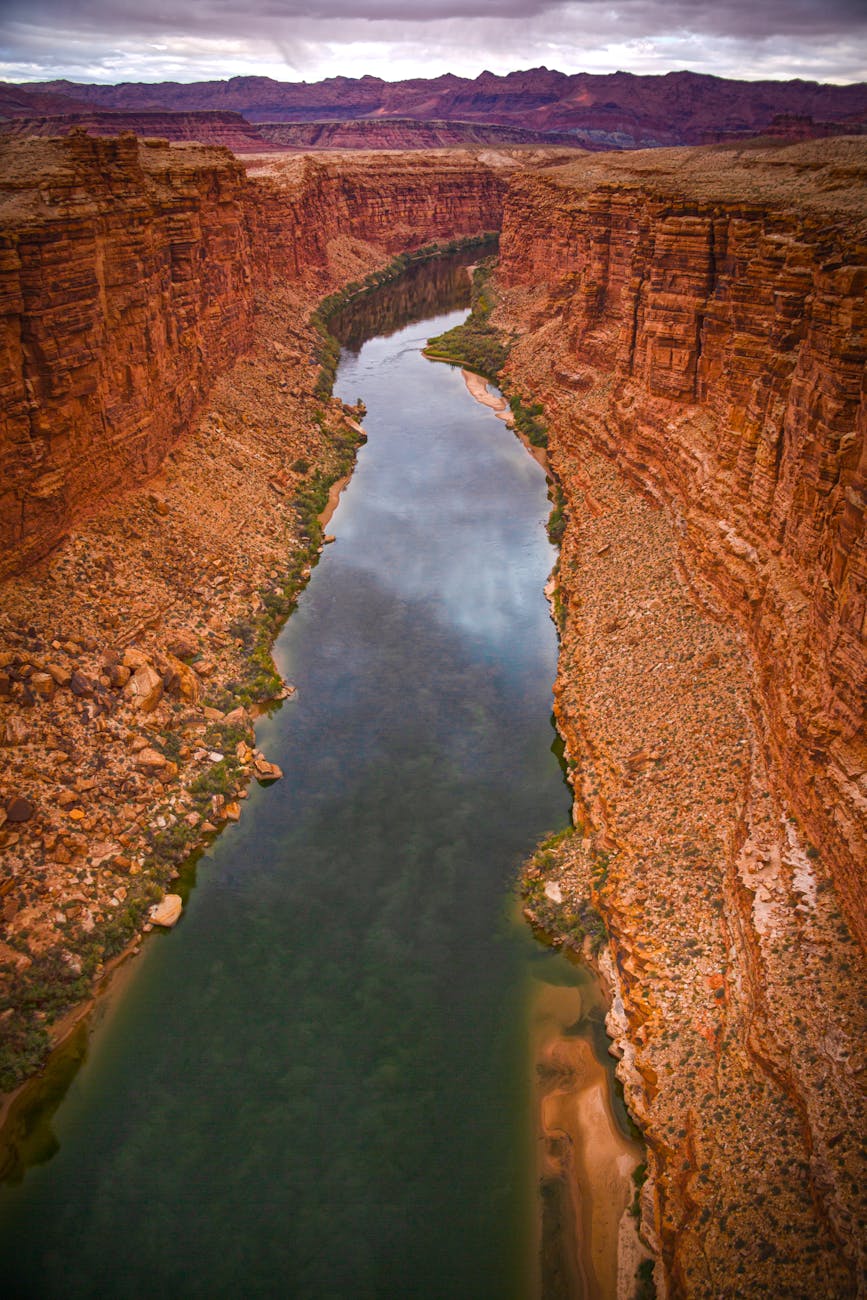
Crisis on the Colorado: A Historic Reckoning for the West’s Lifeblood
Discover more from NEWS THAT MOVES YOU
Subscribe to get the latest posts sent to your email.
Leave a Reply