
Governor Jared Polis has signed Colorado’s 2026–2027 state budget, finalizing a $46.87 billion spending plan that reflects a year of tightening margins rather than sweeping new investments. While the Long Bill and its accompanying measures keep core services funded, lawmakers faced a noticeably slimmer revenue outlook driven by slower economic growth, rising caseload costs, and the lingering fiscal effects of recent property‑tax policy changes.
The Joint Budget Committee entered the session with less flexibility than in prior years. Although the state did not face a formal deficit—Colorado is constitutionally required to balance its budget—lawmakers confronted higher‑than‑expected obligations in Medicaid and K‑12 education, leaving fewer discretionary dollars available for new programs. To manage these pressures, agencies were asked to identify savings and delay lower‑priority initiatives, a common strategy in lean budget years. Several departments will continue operating with unfilled vacancies as part of broader cost‑containment efforts.
Despite the constrained environment, the state maintained its full funding commitment to public schools. For the third consecutive year, Colorado kept the Budget Stabilization Factor at zero, ensuring districts receive the constitutionally required level of support. Lawmakers also continued work on a long‑term update to the school finance formula—an effort aimed at better reflecting the needs of rural districts and at‑risk students—though no new formula takes effect this fiscal year.
Property‑tax relief enacted during the 2025 special session continues to shape the state’s fiscal landscape. While the budget does not include a billion‑dollar backfill, it does provide ongoing support to local governments affected by reduced property‑tax growth, particularly in fire protection, library, and rural service districts. Legislators emphasized that stabilizing these frontline services remains a priority as communities adjust to the new assessment caps.
Environmental and water‑resource funding held steady, even as other areas saw restraint. The Long Bill, along with companion legislation such as SB26‑1338, continues Colorado’s investment in the Colorado Water Plan, including more than $37 million for grants, planning, and infrastructure loans. These funds support drought‑resilience projects and local water‑supply improvements at a time when the Colorado River Basin faces ongoing hydrologic stress. Wildfire mitigation funding also remains a protected category, with continued support for aviation resources, forest‑health programs, and year‑round monitoring.
TABOR refunds will continue under existing law, though the size of the surplus is smaller than in recent high‑revenue years. Refund mechanisms remain unchanged, and the state is not retaining TABOR revenue beyond what is already authorized in statute.
As the new fiscal year begins July 1, lawmakers describe the 2026–2027 budget as a “maintenance year”—one that protects essential services, honors constitutional obligations, and avoids deep cuts, but leaves little room for expansion. With economic indicators pointing to slower growth and long‑term pressures in healthcare and water management, the state enters the coming year with a cautious, stability‑first approach.
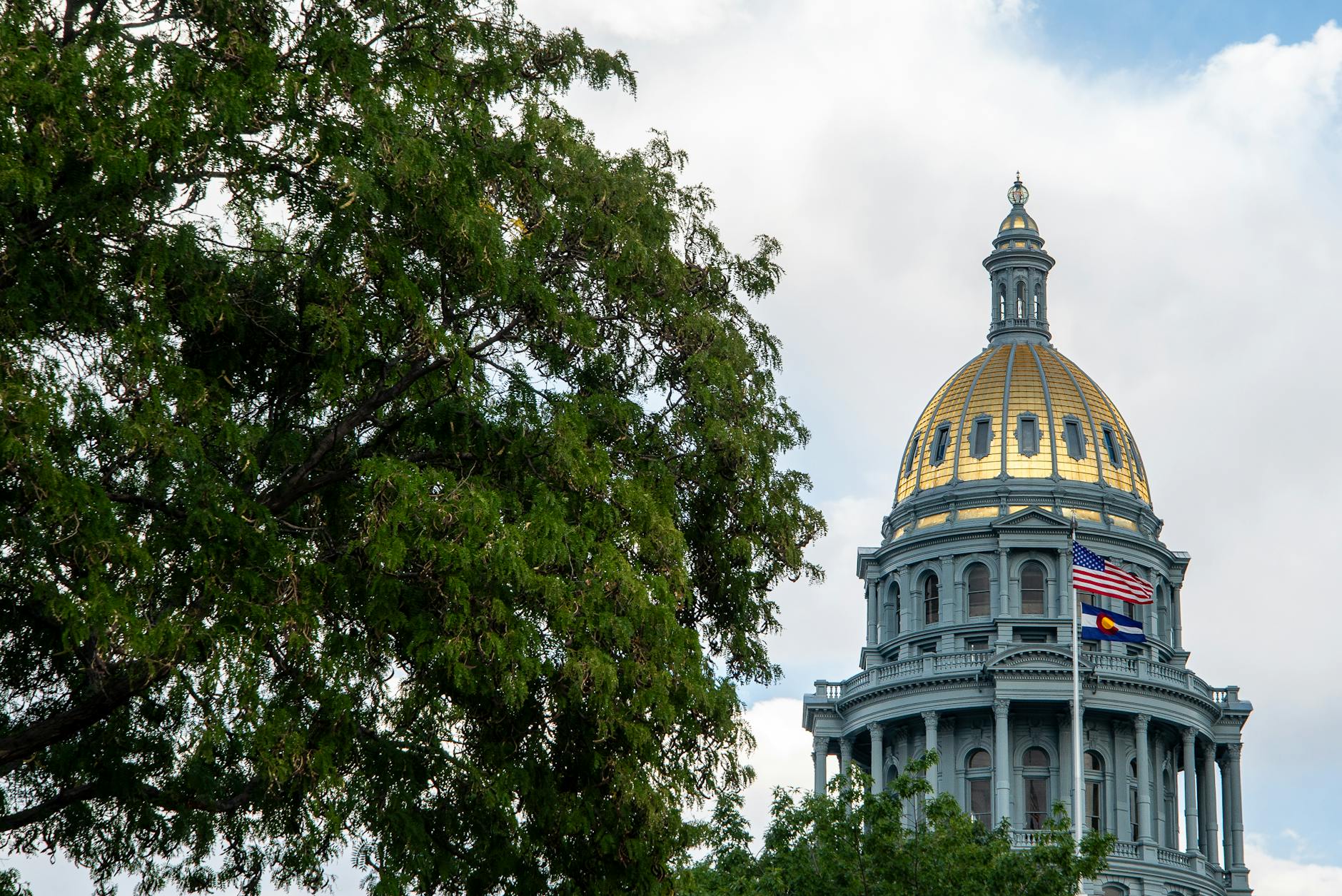
Colorado’s 2026–2027 Budget: A Lean Year Focused on Stability, Not Expansion
Discover more from NEWS THAT MOVES YOU
Subscribe to get the latest posts sent to your email.
Leave a Reply