
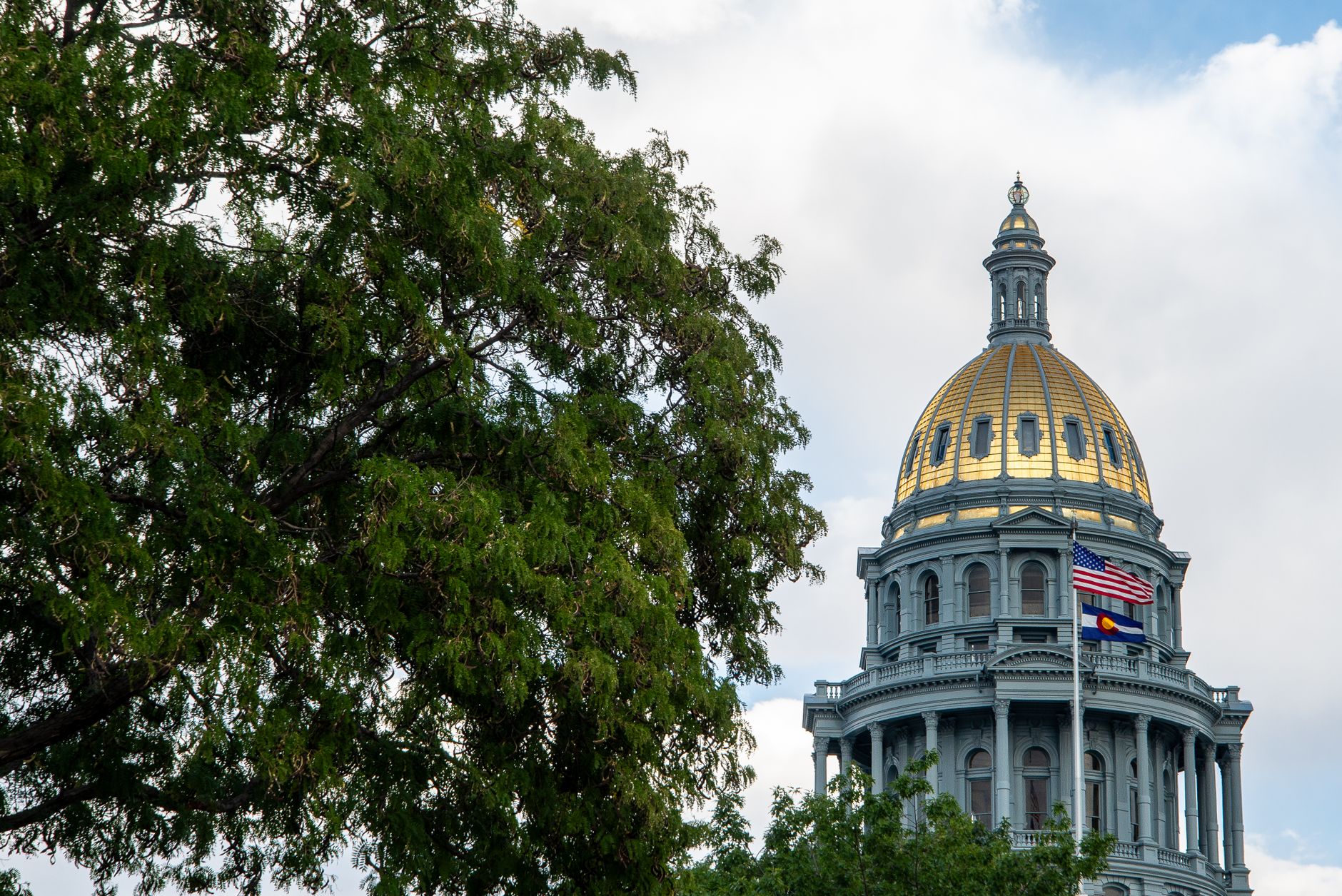
Are you wondering how the legislative changes taking effect on July 1, 2026, will impact your daily life and community in Colorado? As we enter the second half of the year, several new statutes officially enter the books, spanning public safety, consumer rights, education, and environmental policy. Understanding these shifts is essential for all residents, and you can find the complete, official text for every new law at the Colorado General Assembly’s official portal.
In the realm of public safety, the state has introduced stricter controls regarding firearms and ammunition. This includes a formal ban on the production of potentially functioning firearms, unfinished frames or receivers, large-capacity magazines, or rapid-fire devices using three-dimensional printing technology. Additionally, the legal age to purchase ammunition has been raised from 18 to 21 years old, and delivery drivers transporting ammunition are now required to verify that the recipient meets this age requirement. Furthermore, new procedures for civil asset forfeiture have been established, requiring that one or more criminal charges be brought against a property owner as a prerequisite to any nuisance abatement or forfeiture proceeding.
Education and school policy also see updates, as all Colorado school districts and charter schools are now required to adopt and implement specific policies regarding the use of smart devices by students during the school day. Simultaneously, law enforcement agencies are mandated to implement and conduct specific training regarding the use of prone restraints.
Consumer protection and insurance transparency are addressed through new mandates governing how insurance companies utilize wildfire risk models. Insurers using these models to assign property risk must now provide written notice to policyholders at the time of application, renewal, or nonrenewal. This notice is required to explain the risk score, the range of possible scores, and how mitigation efforts might impact that score. Crucially, policyholders now have the formal right to appeal these risk classifications.
Environmental and administrative updates complete the legislative landscape. New criminal penalties for wildlife trafficking have been established, granting Colorado Parks and Wildlife the authority to suspend the licenses of those convicted of these offenses. Survivors of sexual orientation or gender identity change efforts are now granted the right to bring civil actions against licensed mental health professionals, without a statute of limitations for commencing the action. Additionally, new requirements regarding signage for all-gender bathrooms in public buildings apply starting July 1. Finally, new rules regarding the publication of data and methodology for determining the “average market rate” of unprocessed retail marijuana are in effect, including separate rate requirements for fresh frozen indoor and outdoor marijuana.
To view the full, official text of these statutes, please visit the Colorado General Assembly official portal at https://leg.colorado.gov/laws. This site provides access to the Colorado Revised Statutes and the Session Laws Archive, which document all bills passed in the current and previous sessions. By using the search function on this official portal, you can look up specific bill numbers or keywords to see the precise legal language signed into law. This article serves as a general overview, and for legal advice regarding how these laws impact your specific situation, you should consult with a legal professional or the relevant state regulatory agency.
Leave a Reply