
As Colorado continues to navigate the complexities of a changing landscape, the push and pull between human expansion and wildlife preservation has never been more prominent. For residents, the question often arises: how do we maintain our way of life while ensuring that the state’s native species have the space and resources they need to thrive? The answer, increasingly, lies in the “Science of Coexistence,” a multidisciplinary approach that moves beyond simple land management to focus on proactive, data-driven solutions.
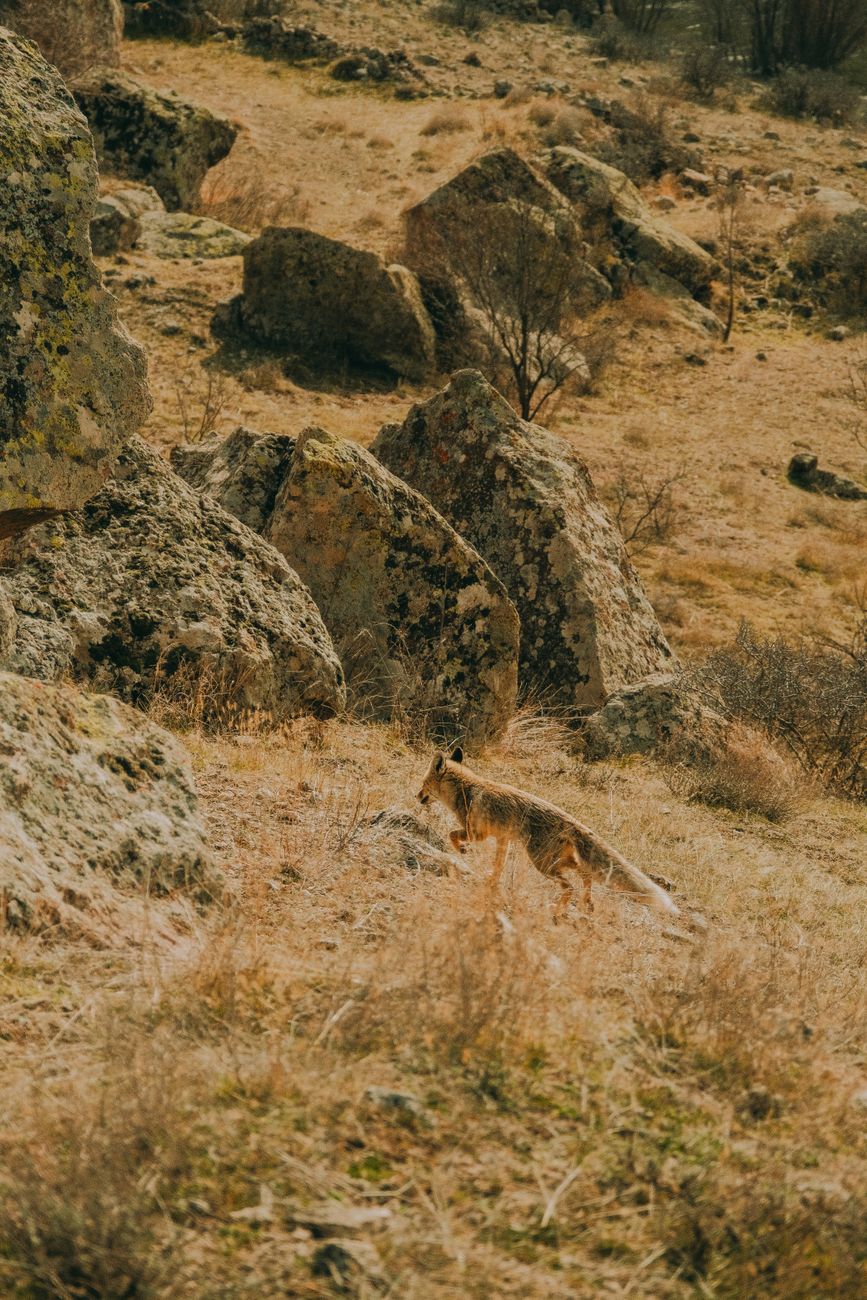
At its core, the science of coexistence is about managing the human-animal interface. This involves utilizing behavioral ecology and wildlife management practices to reduce conflicts before they begin. In the Front Range—particularly in areas surrounding Monument and Peyton—this coexistence is frequently seen in how gray foxes and red foxes navigate residential environments. These foxes have become highly adaptable, often using the natural drainages and scrub oak thickets that weave through neighborhoods and rural acreages to move undetected. My family and I frequently travel these roads during the quiet, late-night hours to deliver newspapers in Peyton and Monument, and we often see these foxes darting across the road, occasionally with a bird or small rabbit in their mouth. By taking advantage of the “edge” habitats created by human development, foxes successfully hunt small rodents, which helps control local pest populations without the need for toxic chemicals. The science of coexistence encourages residents to support this natural balance by securing trash, keeping pet food indoors, and maintaining the integrity of these native vegetation corridors.
Conservation funding is the backbone of these efforts. Recent state investments, including millions allocated to the Species Conservation Trust Fund, are being directed toward critical projects that protect native fish and wildlife habitats across Colorado. These funds are vital for restoring connectivity between fragmented landscapes, allowing species to migrate safely in response to climate pressures and habitat shifts. When habitats are linked, wildlife is less likely to venture into human-populated areas in search of resources, directly reducing the potential for conflict.
Public engagement plays an equally vital role. With recent polling indicating that nearly 90 percent of Coloradans express significant concern regarding habitat loss, the community is clearly invested in the outcome of these policies. Proactive coexistence is not merely an academic exercise; it is a collaborative effort involving state agencies like Colorado Parks and Wildlife (CPW), independent researchers, local ranchers, and concerned citizens. By participating in local conservation initiatives and staying informed about habitat management, residents are taking an active part in ensuring that Colorado remains a state where wildlife and humans can share the landscape effectively.
As we move forward, the “Science of Coexistence” will continue to evolve, integrating new technologies and community feedback to refine how we live alongside our wild neighbors. It is a balancing act that requires patience, funding, and a deep respect for the ecological systems that define Colorado’s natural heritage.
Leave a Reply