
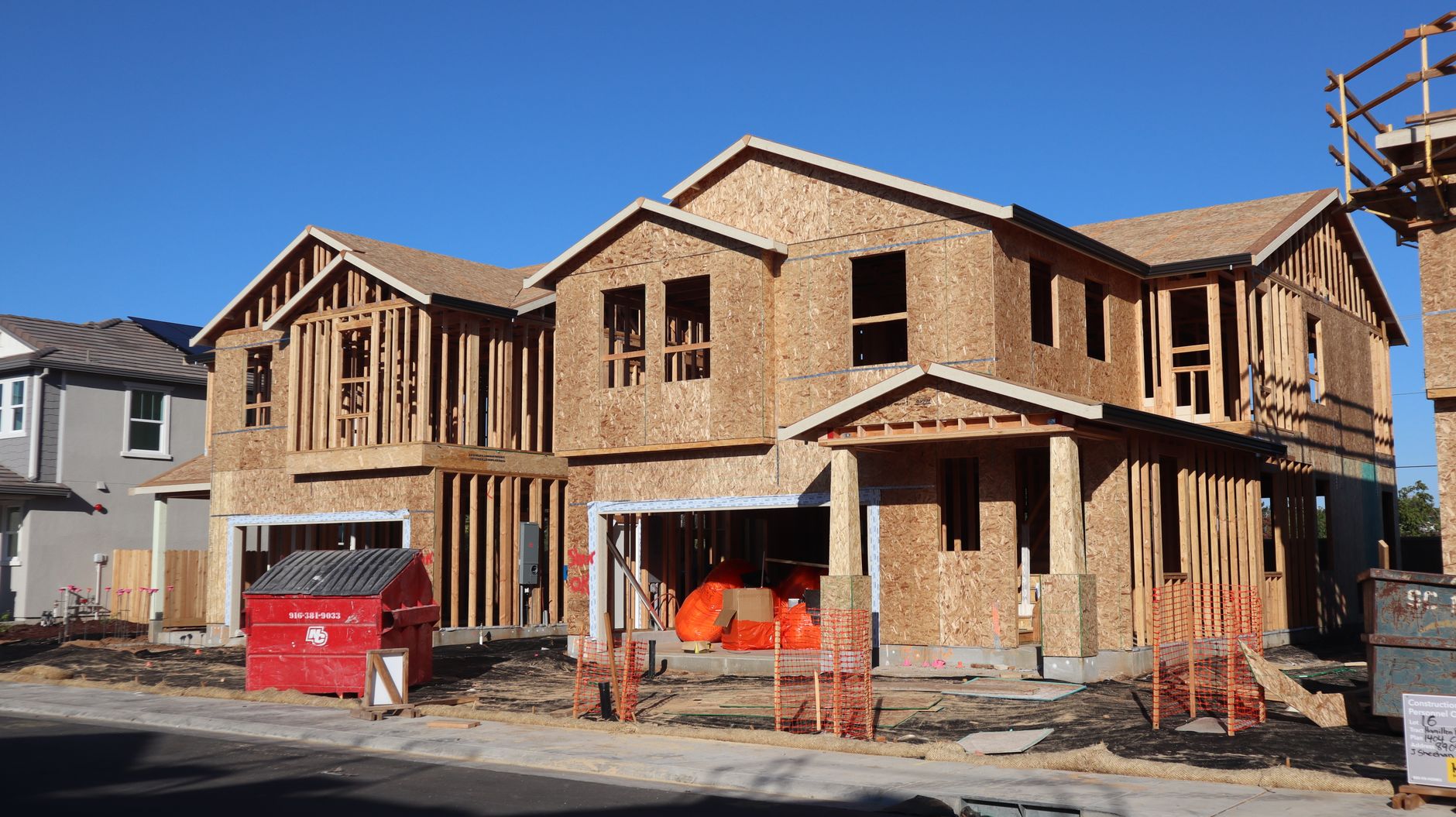
The 21st Century ROAD to Housing Act, a sweeping bipartisan federal legislative package, is set to become law at midnight tonight without the President’s signature. This legislation represents the most significant federal housing reform in decades and seeks to address the national affordability crisis through supply-side deregulation and targeted market interventions. For Coloradans struggling with the state’s persistent housing shortage and elevated costs, the act provides a new federal framework that reinforces ongoing state-level initiatives while introducing fresh mandates for lenders and developers.
One of the most highly anticipated provisions addresses the influence of corporate entities on the residential market. The act prohibits large institutional investors—defined as entities that already control at least 350 single-family homes—from purchasing additional single-family properties. This measure aims to preserve housing inventory for individual families, though it includes specific exemptions for build-to-rent developments to ensure that new construction remains viable.
The legislation also targets the high cost of construction by streamlining federal environmental reviews and expanding “categorical exclusions” under the National Environmental Policy Act (NEPA) for residential projects that do not significantly alter environmental conditions. By reducing these regulatory bottlenecks, the act intends to accelerate the development of new housing units. Furthermore, the act modernizes the federal approach to manufactured and modular housing. It eliminates the long-standing requirement for a permanent chassis for manufactured homes, allowing them to be treated on par with traditional residential buildings for financing, zoning, and titling purposes.
Local communities are also empowered through new grant programs authorized by the act. A competitive grant program will provide $200 million annually to local and tribal governments that demonstrate measurable progress in increasing housing supply through zoning reform, density bonuses, and streamlined permitting processes. Additionally, the act establishes a pilot program to assist local governments in converting vacant commercial or industrial buildings into affordable housing, a strategy that could provide new life to underutilized urban properties across Colorado.
The act further addresses the financial barriers facing potential homeowners and small developers. It authorizes a pilot program to increase access to small-dollar mortgages of $100,000 or less, which often serve first-time buyers but have historically been difficult to originate. To boost local affordable housing financing, the legislation allows banks to increase their “Public Welfare Investment” cap from 15% to 20%.
Finally, the legislation includes critical protections for vulnerable populations, including a provision that excludes Veterans Affairs disability benefits from an applicant’s total income calculation, thereby boosting their eligibility for housing assistance programs. While industry experts caution that increasing housing stock is a gradual process and that the act’s success depends on federal agency capacity, the 21st Century ROAD to Housing Act establishes a clear, bipartisan roadmap for national housing reform.
Leave a Reply