- Two Cups of Coffee: The Quiet Echoes of 9/11 and the Grief We Carry Alone
 There are dates in history that draw a sharp, unmistakable boundary between the “before” and the “after.” When we ask each other, “Where were you on 9/11?” we are rarely asking for physical coordinates. We are asking to return to the exact second our understanding of the world fundamentally changed. For me, that anchor point… Read more: Two Cups of Coffee: The Quiet Echoes of 9/11 and the Grief We Carry Alone
 - Colorado Voters Prepare for a Crowded Ballot as 14 Statewide Measures Are Certified for November
 The Colorado Secretary of State has certified the ballot for the November general election, featuring 14 statewide measures ranging from tax code reforms to fentanyl sentencing guidelines. Campaigns will intensify in the coming months, with extensive advertising expected as voters prepare for a complex decision-making process.
 - Trump Executive Orders Aim to Reshape Cattle Industry, Boost Direct-to-Consumer Beef Sales
 In a significant shift for agricultural policy and local food supply chains, President Donald Trump signed two executive orders on Friday, Sept. 4, designed to allow cattle ranchers to butcher, process, and sell their own beef directly to consumers. The new directives aim to decentralize a meatpacking industry where roughly 85% of U.S. cattle slaughter… Read more: Trump Executive Orders Aim to Reshape Cattle Industry, Boost Direct-to-Consumer Beef Sales
 - How a beloved late-summer ballooning tradition continues to uplift the Pikes Peak region.
 Capturing everything from early-morning maneuvers across Prospect Lake to the radiant evening illumination at Memorial Park, staff photographer Jeannette documented the striking sights of the Colorado Springs Labor Day Lift Off and its signature Balloon Glow. The event is a visual marvel, but its significance extends far beyond the colorful displays. The festival’s roots stretch… Read more: How a beloved late-summer ballooning tradition continues to uplift the Pikes Peak region.
 - Presidential Order Targets Wolf Protections Amid Rising Beef Prices and Ongoing Colorado Reintroduction Debates
 WASHINGTON — President Trump signed an executive order on Friday directing the Interior Department to consider stripping gray wolves and Mexican gray wolves of their federal protections. The directive is part of a broader agricultural package aimed at supporting American cattle ranchers and curbing record-high retail beef prices as the national cattle herd shrinks to… Read more: Presidential Order Targets Wolf Protections Amid Rising Beef Prices and Ongoing Colorado Reintroduction Debates
 - Federal Disaster Aid Approved for Communities Devastated by Aspen Acres and Gold Mountain Fires
 The Trump administration has officially approved federal Public Assistance for Colorado communities severely impacted by this summer’s Aspen Acres and Gold Mountain fires. The Aspen Acres fire, which ignited on June 29 in Custer County, rapidly became the state’s seventh-largest wildfire, scorching over 102,000 acres. The blaze destroyed close to 900 buildings, including over 319… Read more: Federal Disaster Aid Approved for Communities Devastated by Aspen Acres and Gold Mountain Fires<br>
 - Water Contact Advisory Lifted for John Martin Reservoir Following Pueblo Sewage Spill
 State officials have officially lifted the water contact advisory at John Martin Reservoir after recent testing showed water quality has returned to safe levels.The advisory was initially issued after an estimated 4.25 million gallons of raw sewage spilled into the Arkansas River from a ruptured pipe in Pueblo. The spill occurred when a patch on… Read more: Water Contact Advisory Lifted for John Martin Reservoir Following Pueblo Sewage Spill<br><br>
 - Severe Drought Drives Record Black Bear Encounters Across Colorado
 COLORADO SPRINGS, Colo. — Colorado has recorded more than 7,000 black bear sightings in 2026, breaking the state’s previous full-year record set in 2019 as a severe drought decimates natural food supplies in the high country. The lack of moisture across the state has severely stunted the growth of natural forage, including berries, grasses, and… Read more: Severe Drought Drives Record Black Bear Encounters Across Colorado
 - Initiative 302 Secures Ballot Placement, Sparking Debate on Wildlife Management
 DENVER — A proposed constitutional amendment that would enshrine the fundamental right to hunt and fish in Colorado has officially secured enough signatures to appear on the November ballot. Designated as Initiative 302, the measure represents a significant push by sporting organizations and conservationists to protect traditional outdoor activities from future legislative or citizen-led restrictions.… Read more: Initiative 302 Secures Ballot Placement, Sparking Debate on Wildlife Management
 - Legislative Compromise Halts “Restore Our Roads” Ballot Measure
 DENVER — In a significant eleventh-hour political maneuver, state lawmakers have successfully brokered a comprehensive funding agreement to address Colorado’s mounting transportation infrastructure needs, prompting the withdrawal of the high-profile “Restore Our Roads” ballot measure. The initiative, which sought voter approval for hundreds of millions of dollars in general fund diversions to finance road and… Read more: Legislative Compromise Halts “Restore Our Roads” Ballot Measure
 - Federal Water Cuts Mandate Lower Basin Reductions Amid Ongoing Colorado River Drought
 DENVER — The federal government has finalized a comprehensive two-year plan to enforce mandatory water consumption cuts across the Lower Basin states of Arizona, California, and Nevada, a move designed to stabilize the precarious water levels in Lake Powell. As prolonged drought conditions continue to threaten the hydrological stability of the Colorado River system, federal… Read more: Federal Water Cuts Mandate Lower Basin Reductions Amid Ongoing Colorado River Drought
 - Colorado State Fair Commences Amid Economic Challenges in Essential Sectors
 PUEBLO, Colo. — The annual Colorado State Fair officially opened its gates today in Pueblo, signaling the start of a ten-day celebration of the state’s agricultural heritage, commercial enterprise, and cultural identity. The fair, which runs through September 7, remains a vital economic driver for the southern Colorado region, drawing thousands of attendees and vendors.… Read more: Colorado State Fair Commences Amid Economic Challenges in Essential Sectors
 - Federal Judge Temporarily Suspends Postal Service Voting Requirements
 DENVER — A federal judicial ruling has temporarily enjoined the United States Postal Service from enforcing its newly implemented requirements for mail-in voting, delivering a critical victory to voting rights advocates ahead of the pivotal November midterm elections. The injunction halts a series of logistical and processing changes that state election officials warned could inadvertently… Read more: Federal Judge Temporarily Suspends Postal Service Voting Requirements
 - State Math Scores Improve as Local Athlete Secures Olympic Gold
 Colorado’s latest state academic testing shows improvements in mathematics proficiency, indicating progress in quantitative instruction. However, reading and literacy scores reveal ongoing challenges that need targeted support. In sports, local athlete Eliza Osburn earned a gold medal for Team USA in women’s lacrosse, inspiring Colorado’s youth athletes.
 - State Heatwave Triggers Mass Casualty Incident and School Closures
 Colorado is facing a significant increase in heat-related medical emergencies, linked to unprecedented temperatures, including a record 97 degrees Fahrenheit. A mass casualty event occurred at a festival in Colorado Springs, leading to 72 treatments for heat illnesses. This heatwave has also disrupted education, prompting early school dismissals due to insufficient air conditioning.
 - A Defensive Legislative Session Sets the Stage for a Crowded November Ballot
 The 2026 state legislative session ended with Democrats responding to federal policies under the Trump administration amidst a 1.2 billion dollar budget deficit. Major reforms included Senate Bill 189 on artificial intelligence. Voters face a crucial ballot with measures on tax rates, K-12 funding, and significant social issues, including abortion rights.
 - Record Human-Bear Encounters Trigger Stricter Statewide Fines
 Colorado is enduring a record-breaking year for bear encounters, driven by severe drought, extensive wildfires, and exceptionally low mountain snowpack that have devastated natural food sources like acorns and berries. In response to the surging number of neighborhood conflicts, the state has enacted House Bill 26-1342, colloquially known as the “Negligently Luring Bears” law, which… Read more: Record Human-Bear Encounters Trigger Stricter Statewide Fines
 - Colorado Halts Wolf Introductions Amid Sourcing Stalls and Rising Livestock Conflicts
 Colorado Parks and Wildlife has paused its gray wolf reintroduction program until winter 2026-2027 due to concerns over livestock losses and increased costs. The decision follows logistical challenges in sourcing wolves and aims to focus on managing the existing population. Advocacy groups are disappointed, citing political interference against voter intent.
 - How Is Colorado Overhauling Its Aging Transportation Infrastructure?
 The Colorado Department of Transportation is officially moving forward with an updated, multibillion-dollar strategic roadmap designed to reshape how residents travel across the state over the next decade. Approved in May 2026, the updated 10-Year Plan outlines more than two hundred and fifty individual infrastructure projects that prioritize pavement reconstruction, bridge repairs, and the expansion… Read more: How Is Colorado Overhauling Its Aging Transportation Infrastructure?<br>
 - What Does the Arrival of the Emerald Ash Borer Mean for Colorado Springs?
 The emerald ash borer has finally breached Colorado Springs, bringing a devastating threat to approximately twenty percent of the city’s urban tree canopy. The invasive, metallic green beetle from Asia targets ash trees exclusively, with its larvae tunneling relentlessly beneath the bark to choke off the tree’s vital water and nutrient transport systems. Because North… Read more: What Does the Arrival of the Emerald Ash Borer Mean for Colorado Springs?<br>
 - How Is the Record-Low Lake Mead Impacting Colorado Water Agreements?

The American West is confronting a dire hydrological reality this week as Lake Mead has officially plummeted to 1,040.4 feet above sea level, marking its lowest water level since the reservoir was filled roughly 90 years ago. The crisis in the nation’s largest reservoir underscores a fundamental mass balance problem facing the Colorado River: more […]
- Why Are Nine Front Range Counties Failing Federal Air Quality Standards?
 The Denver Metropolitan and North Front Range region remains locked in a battle against ground-level ozone, with nine counties currently classified as serious nonattainment areas under Environmental Protection Agency standards. This affected zone stretches from the Wyoming border southward, encompassing Adams, Arapahoe, Boulder, Broomfield, Denver, Douglas, Jefferson, Weld, and portions of Larimer counties. Stagnant summer… Read more: Why Are Nine Front Range Counties Failing Federal Air Quality Standards?<br>
 - Wildlife Sunday: A Butterfly in Disguise? Spotting the Tarantula Hawk at Prospect Lake
 Many of you might remember a column from about a month ago where Willow and I watched a yellowjacket make quick work of a daddy longlegs at the local park. That was an interesting follow-up to our 2023 encounter with a yellowjacket stealing a bite of ice cream, giving us a front-row seat to the… Read more: Wildlife Sunday: A Butterfly in Disguise? Spotting the Tarantula Hawk at Prospect Lake
 - From Ash to Mud: How Aspen Acres Left Southern Colorado Vulnerable to Monsoon Season

The smoke has barely cleared from the valleys of southern Colorado, but emergency management officials are already pivoting from one extreme threat to another. Following an exceptionally dry winter, the Aspen Acres Fire exploded across Pueblo and Custer counties. Now, the resulting 100,000-acre burn scar has set the stage for severe flash flooding and debris […]
- Wildlife Sunday: A Late-Night Encounter on the Peyton Delivery Route
 The quiet hours of the night offer a completely different perspective on the Eastern Plains. Last Sunday, while out on the late-night print distribution route through Peyton, the roads were predictably empty. But when you are delivering newspapers under the cover of darkness, you quickly learn that the graveyard shift belongs to the local wildlife.… Read more: Wildlife Sunday: A Late-Night Encounter on the Peyton Delivery Route
 - Everything Is “The Most Dangerous Thing”: A Guide to American Political Hyperbole, Crypto Windfalls, and Ideological Labels
 Modern American political discourse has become oversimplified, with rhetoric labeling opponents as existential threats, often blurring the lines between communism and socialism. While Trump’s frequent extreme labeling serves strategic purposes, it raises concerns about understanding political terms. Ultimately, threats to the nation are systemic issues rather than individual figures.
 - TRUMP ADMINISTRATION FINALIZES MAJOR ENDANGERED SPECIES ACT ROLLBACKS; LEGAL BATTLES LOOM
 Recent regulatory changes to the Endangered Species Act by the Trump administration significantly redefine “harm” by excluding habitat modification, altering protections for threatened species, and prioritizing economic impact over ecological concerns. While proponents argue it alleviates regulatory burdens for industries, critics warn it jeopardizes biodiversity and invites extensive legal challenges.
 - Wildlife Sunday: A Feathered Family Roadblock on Cheyenne Mountain
 In Colorado Springs, wildlife interactions are common, exemplified by a family encountering wild turkeys while driving. Observing the protective hens and their precocial poults illustrates the unique behavior of these birds, who require a protein-rich diet for growth. Residents are encouraged to stop and appreciate these local wildlife encounters.
 - The Coming Water War: Why the Post-2026 Colorado River Guidelines Threaten a Century of Western Law
 The Colorado River Basin is rapidly approaching a legal cliff, and the fall could permanently alter the landscape of Western water rights. At the end of 2026, the 2007 Interim Guidelines—the rules that currently govern how water is managed and distributed from Lake Powell and Lake Mead—are set to expire. In their wake lies a… Read more: The Coming Water War: Why the Post-2026 Colorado River Guidelines Threaten a Century of Western Law
 - The Rocky Mountain Dispatch: Statewide Fire Briefing
 Hot, critically dry conditions combined with record-setting temperatures have intensified Colorado’s peak fire season, bringing two new ignitions to the Western Slope today while thousands of personnel continue battling several historic mega-fires across the state. The mounting disaster is placing unprecedented strain on state firefighting budgets and municipal infrastructure, with multiple watersheds and local utility… Read more: The Rocky Mountain Dispatch: Statewide Fire Briefing
 - Wildlife Sunday: The Micro-Battles in Our Own Backyards
 While my reporting for the Dispatch usually has me focused on state budgets, infrastructure, or large-scale conservation efforts across Colorado, sometimes the most brutal and fascinating wildlife encounters happen right at our feet. This past week, my eight-year-old daughter, Willow, and I were spending an afternoon at a local park here in Colorado Springs when… Read more: Wildlife Sunday: The Micro-Battles in Our Own Backyards
 - Waking the Explorer: The Probe That Revealed Pluto’s Heart Rouses 6 Billion Miles Away
 It takes a lot to wake up from a 321-day nap, especially when you are drifting through the frozen, pitch-black edge of the solar system. But on June 23, NASA’s New Horizons spacecraft did exactly that. Mission controllers confirmed last month that the legendary robotic explorer successfully woke from its longest-ever period of hibernation. The… Read more: Waking the Explorer: The Probe That Revealed Pluto’s Heart Rouses 6 Billion Miles Away
 - Will the 21st Century ROAD to Housing Act Finally Lower Costs for Coloradans?
 The 21st Century ROAD to Housing Act is a significant bipartisan federal legislation addressing the national housing affordability crisis. It prohibits large institutional investors from buying more single-family homes, streamlines construction regulations, and empowers local communities with grants to increase housing supply, all while supporting vulnerable populations with financial assistance measures.
 - Who Will Shape Colorado’s Future: The Contenders in the 2026 Gubernatorial Race?
 As Colorado’s primary election cycle wraps up, three candidates emerge for the governorship: Victor Marx (Republican), Phil Weiser (Democrat), and Eric Mulder (Libertarian). Each candidate presents distinct governance philosophies and faces scrutiny over integrity and conflicts of interest. The election highlights contrasting visions for the state’s future, set for November 3.
 - Wildlife Sunday: The Adaptable Mallards of Colorado Springs
 On a warm afternoon in Colorado Springs, a family observes Mallard ducks, highlighting their sexual dimorphism and unique mating behaviors. These dabbling ducks thrive in urban parks, but it’s crucial to avoid feeding them bread, as it harms their health. Instead, natural observation is encouraged for a better understanding of wildlife.
 - How Are Over 127,000 Acres of Active Wildfires Impacting Colorado Communities Today?
 Firefighters in Colorado are struggling against multiple wildfires fueled by hot, dry weather, destroying over 127,000 acres and prompting strict evacuation orders. The Aspen Acres Fire remains the largest, with zero containment and significant structure losses. Conditions are critical, and authorities have implemented Stage 2 Fire Restrictions across the state.
 - Why Is the El Paso County Sheriff’s Office Launching a Fugitive Impact Team to Combat Repeat Offenders?
 The El Paso County Sheriff’s Office has established a Fugitive Impact Team to tackle criminal recidivism by targeting prolific repeat offenders responsible for local crime. This specialized unit will conduct cross-jurisdictional pursuits and assist local law enforcement, addressing frustrations over inadequate responses to high recidivism rates in Colorado.
 - How Did Primary Night Reshape Colorado Politics?
 In a dramatic shift in Colorado’s political scene, progressive newcomer Melat Kiros defeated long-time Representative Diana DeGette in the Democratic primary, signaling a demand for generational change. Attorney General Phil Weiser won the gubernatorial nomination amidst a split party establishment, while the Republican primary remains undecided, setting the stage for competitive elections ahead.
 - Wind-Driven Blazes Prompt Severe Air Quality Alerts Across the Front Range; First Containment Lines Established on Snyder Fire
 This week’s extreme fire weather has led to significant damage in Pueblo and Custer counties, with the Aspen Acres Fire destroying at least 155 structures and growing to 28,363 acres with no containment. Meanwhile, the Snyder Fire has achieved 10% containment at 30,209 acres, and air quality alerts have been issued due to heavy smoke across the region.
 - Behind the Reporting: Validating the “Mantle Wind” Model
 Recent reporting on the Yellowstone supervolcano accurately reflects new geodynamic models and a study from the Chinese Academy of Sciences and the University of Illinois. It debunks the vertical thermal plume theory, revealing a shallow, horizontal flow driven by the ancient Farallon Plate, and describes the magma system’s stability, highlighting geological processes without exaggerating eruption risks.
 - WIND-DRIVEN WILDFIRES EXPLODE ACROSS COLORADO: EVACUATIONS EXPAND AS 100-MPH GUSTS CRIPPLE AERIAL ASSAULT
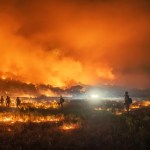 Severe wildfires driven by extreme drought and high winds have devastated over 100,000 acres across Colorado, resulting in three firefighter fatalities. Governor Polis expanded emergency declarations, mobilizing the National Guard for support. Evacuations are ongoing, disrupting primary voting; displaced residents are provided with resources to vote safely amidst the crisis.
 - Supreme Court Upholds Birthright Citizenship: What the Ruling Means for Colorado
 The U.S. Supreme Court’s 6-3 ruling in Trump v. Barbara invalidated a 2025 executive order aimed at ending birthright citizenship for U.S.-born children of undocumented immigrants. This decision protects millions of citizens, stabilizes Colorado’s economy, and alleviates potential burdens on state services, ensuring that citizenship rights remain intact for affected families.
 - How Are Extreme Wildfires and Tragic Losses Impacting Colorado’s Western Slope This Weekend?
 A devastating weekend of wildfires across Colorado’s Western Slope has resulted in a statewide disaster declaration, extensive mandatory evacuations, and the tragic deaths of three wildland firefighters near the Utah-Colorado border. Extreme fire behavior, fueled by single-digit humidity and wind gusts exceeding 40 mph, has crippled initial containment efforts across multiple major incidents, prompting Governor… Read more: How Are Extreme Wildfires and Tragic Losses Impacting Colorado’s Western Slope This Weekend?
 - Wildlife Sunday: The Science of Safe Passage
 Colorado faces challenges in balancing human development with wildlife conservation. The I-25 Greenland Wildlife Overpass exemplifies a proactive multidisciplinary approach, significantly reducing vehicle-wildlife collisions and costing $15 million. State and federal funding support similar projects, which integrate data and public involvement to enhance safety for both humans and wildlife, preserving natural habitats.
 - Election Officials Warn: Too Late to Mail Ballots for June 30 Primary
 With the June 30 primary election approaching, Colorado officials warn voters against relying on mail for ballot delivery. Voters must use secure drop boxes or vote in person if ballots are not mailed. Ballots must be received by 7:00 p.m. on Election Day, and tracking options are available online.
 - Extreme Drought Forces Closure of Basalt State Wildlife Area Shooting Range
 Severe drought conditions affect 97% of Colorado, particularly in Eagle County, which faces the highest level of drought. The Basalt Area State Wildlife shooting range is closed due to wildfire risks, while other outdoor activities are still permitted. Statewide restrictions have led to localized closures of recreational sites and increased fire safety measures.
 - CPW Confirms Collared Gray Wolf Crossed East of I-25 in Southern Colorado
 A collared gray wolf recently crossed into Southern Colorado east of Interstate 25, briefly tracking through Pueblo, Otero, and Las Animas counties, before returning west. This movement underscores the unpredictable nature of the expanding wolf population. Colorado Parks and Wildlife encourages livestock producers to use deterrents and reports to monitor uncollared wolves.
 - Judicial Shockwaves: How the Supreme Court’s Latest Rulings Realigned Colorado’s Political Landscape Ahead of the Primary
 A series of 6-3 U.S. Supreme Court rulings has reshaped Colorado’s political landscape ahead of the June 30 primary, intensifying conflicts over immigration enforcement and corporate regulations. The decisions challenge candidates like Senator Hickenlooper and elevate ballot initiatives, forcing Colorado to confront issues of federal overreach and regulatory independence.
 - Governor Polis Signs HB26-1342, Strengthening Penalties for Bear Luring
 Governor Jared Polis has signed HB26-1342, the “Negligently Luring Bears” act, changing how Colorado enforces wildlife interactions to reduce human-bear conflicts. The law allows immediate citations for residents who “knowingly” attract bears, omitting first-offense warnings, and raises penalties for repeat offenses. It faces criticism for potentially impacting bird watchers.
 - Why Is The Denver Post Paying the City $13.5 Million to Break Its Lease?
 The Denver Post’s iconic signage will soon be removed as a settlement ends a real estate dispute with Denver. The June 2026 agreement results in a $13.5 million payment from the paper’s parent company, allowing the city to assume control of the building. This reflects broader trends in modern journalism, influenced by hedge fund operations.
 - Is Jason Crow Still the Best Choice for Colorado’s 6th Congressional District?
 As the June 30, 2026, primary election nears, incumbent Democrat Jason Crow campaigns for re-election in Colorado’s 6th Congressional District. Highlighting his combat veteran background, Crow focuses on national security and economic stability, while facing no Democratic opposition. Analysts favor him due to the district’s Democratic lean, but voter turnout will be crucial.
 - Will Colorado’s Largest Modern Oil-and-Gas Lease Sale Destroy the Nation’s Largest Elk Herd?
 The Bureau of Land Management held a historic oil-and-gas lease sale on June 16, 2026, auctioning 134,173 acres in northwestern Colorado, igniting conflict between federal energy policies and wildlife conservation. Critics warn that the sale threatens regional outdoor economies by endangering critical habitats and migratory paths, despite generating significant revenue.
 - Wildlife Sunday: The Science of Coexistence
 Colorado faces the challenge of balancing human expansion with wildlife preservation through the “Science of Coexistence.” This multidisciplinary approach promotes proactive solutions for managing human-animal interactions, enabling species like gray and red foxes to thrive. State funding and community involvement are crucial for maintaining native habitats and mitigating conflicts between wildlife and residents.
 - New Colorado Legislation: A Guide to Changes Effective July 1
 Starting July 1, 2026, Colorado will implement new laws affecting public safety, education, consumer rights, and environmental policies. Key changes include stricter firearm regulations, updated education policies on smart device usage, clearer insurance risk assessment requirements, and new penalties for wildlife trafficking. Residents should familiarize themselves with these updates.
 - Yellowstone Remains Stable as Scientific Understanding of Caldera “Plumbing” Evolves
 The Yellowstone Volcano Observatory reports normal activity levels for the caldera as of June 2026, with no unusual seismic events detected. Despite routine dynamics, scientists monitor geysers and hydrothermal features closely. Recent research challenges the mantle plume theory, suggesting a more complex magma network, reducing concerns about imminent super-eruptions.
 - The “Cheyenne Potato”: Identifying the Anomaly Over Colorado Springs
 The declassification of UAP case MIL-2022-104 has raised questions about an unidentified object observed by U.S. Army intelligence officers near Cheyenne Mountain in February 2022. Described as a potato-shaped craft with unusual characteristics, the incident remains unexplained, exacerbated by a lack of evidence despite numerous sightings in the Colorado Springs area.
 - Could Colorado Be An Energy-Independent Nation? A Look at the Reality of Our Oil Economy
 If Colorado declared independence, it would have a rich energy portfolio but still rely on imported refined fuels due to insufficient local refining capacity. Despite high crude oil production, the state lacks the technology and infrastructure to achieve true energy independence. Significant investment would be needed to transform its energy landscape for self-sufficiency.
 - Is This the Worst the Water Has Ever Been in Colorado?
 As of June 18, 2026, Colorado is under a Phase 3 Drought Emergency, with 93% of the state experiencing severe drought conditions. Record heat and low snowpack, compounded by a two-decade “megadrought,” challenge traditional water management. Local projects like the Halligan Water Supply Project contrast with calls for regional collaboration, spotlighting critical infrastructure decisions for the future.
 - A Fragile Peace: Evaluating the Islamabad Memorandum
 After 110 days of conflict, the U.S. and Iran will sign the “Islamabad Memorandum” on June 19, 2026, transitioning from war to a 60-day diplomatic effort. The agreement aims to cease military operations and vow to restore safe passage through the Strait of Hormuz, but leaves contentious issues unresolved, raising economic concerns domestically.
 - Bennet’s $1 Million Infusion Raises Questions About Money, Messaging, and the Distance Between Candidates and Voters
 U.S. Senator Michael Bennet’s $1 million self-loan to his Colorado governor campaign highlights rising costs in elections and the competitive Democratic primary. As outside spending exceeds $4.6 million, concerns grow about money’s role in campaigns, distancing candidates from voters, and the implications for democratic participation in politics.
 - Federal Breakthrough Unfreezes Millions for Shoshone Water Rights
 The Colorado River District has reached a significant milestone in its multi-year effort to permanently protect one of the state’s most critical water assets. On Friday, the U.S. Bureau of Reclamation officially released $40 million in federal funding for the Shoshone Water Rights Preservation Project. This infusion of capital brings the total secured funding to… Read more: Federal Breakthrough Unfreezes Millions for Shoshone Water Rights
 - CDOT Locks In 10-Year Infrastructure Pipeline Focused on Preservation Over Expansion
 The Colorado Department of Transportation’s approved 10-Year Plan outlines a strategy for over 250 infrastructure projects from 2027 to 2036, prioritizing maintenance and safety upgrades amid fiscal constraints. The plan emphasizes long-term durability, addressing crumbling roads and bridges while also promoting regional transit initiatives and sustainability through mass transit studies.
 - Curiosity and Perseverance Deliver New Panoramas of Ancient Martian Landscapes
 NASA’s Curiosity and Perseverance rovers have produced remarkable panoramic images of Mars, revealing the planet’s ancient geology. Curiosity’s panorama shows unique “boxwork” formations indicative of past groundwater, while Perseverance captures ancient rocks outside Jezero Crater. Together, these images enhance understanding of Mars’ geological history and its transformations over billions of years.
 - Colorado’s 2026–2027 Budget: A Lean Year Focused on Stability, Not Expansion
 Governor Jared Polis has approved Colorado’s 2026-2027 budget of $46.87 billion, focusing on core services amid economic constraints and rising costs. While public school funding remains intact, lawmakers faced limited discretionary funds. The budget emphasizes stability, prioritizing essential services and addressing ongoing challenges without significant new investments.
 - Crisis on the Colorado: A Historic Reckoning for the West’s Lifeblood
 The serenity of the snow-capped Rockies masks a burgeoning catastrophe that hydrologists now describe as a “historically dire” collapse of the Colorado River system. As of May 8, 2026, the state of Colorado stands at a precarious crossroads where climate reality has finally outpaced the century-old legal frameworks designed to govern the West’s most vital… Read more: Crisis on the Colorado: A Historic Reckoning for the West’s Lifeblood<br>
 - Insurers Warn of Major Premium Hikes as Lawmakers Debate New State Fee
 Colorado’s largest health insurers warn of significant premium hikes for policyholders as lawmakers debate a $40 million fee to stabilize health insurance affordability programs. Although the fee was removed from Senate Bill 178 during negotiations, concerns about rising costs and the financial assistance for lower-income residents remain unresolved, highlighting ongoing tensions in the healthcare system.
 - Colorado Wildlife Crossing Bill Advances Toward Full House Review
 A major effort to reduce wildlife‑vehicle collisions in Colorado has taken another step forward. Senate Bill 26‑141, which would create an optional $5 wildlife collision prevention fee at vehicle registration, has now cleared both the Senate and the House Finance Committee and is officially moving to the House Appropriations Committee for further consideration. The bill… Read more: Colorado Wildlife Crossing Bill Advances Toward Full House Review
 - Colorado Water Board Greenlights $40 Million Infusion for Drought Relief
 The Colorado Water Conservation Board (CWCB) announced today it is funneling $40 million into 136 water projects across the state as communities face a deepening drought emergency. The funding surge comes as winter snowpack levels hit historic lows and an unseasonable spring heat wave accelerated the runoff, leaving reservoirs and agricultural providers in a precarious… Read more: Colorado Water Board Greenlights $40 Million Infusion for Drought Relief
 - KING CHARLES’ REMINDER LANDS IN WASHINGTON: A MONARCH UNDERSCORES THE NEED FOR RESTRAINT ON PRESIDENTIAL POWER
 King Charles III’s address to Congress highlighted the significance of limiting executive power, evoking historical documents like the Magna Carta and the English Bill of Rights. His remarks, intended to reinforce the U.S.-U.K. alliance, sparked bipartisan applause and underscored the ongoing debate about presidential authority amidst a politically charged climate.
 - Five Fires, One Week: Investigators Probe Human‑Caused Blazes in Colorado Springs
 Colorado Springs fire officials are warning of heightened wildfire risks after multiple human-caused fires occurred from April 22 to 26. With dry conditions present, they emphasize that even small fires can escalate rapidly. Investigators have linked recent incidents to intentional actions, urging residents to report suspicious behavior to prevent disasters.
 - Colorado National Guard Deploys to Middle East for Long‑Standing Peacekeeping Mission
 The Colorado Army National Guard is preparing to send more than 200 soldiers to the Middle East in early April, marking the state’s latest contribution to one of the United States’ longest‑running international peacekeeping commitments. The deployment, which centers on the Sinai Peninsula rather than any active combat zone, places Colorado troops within the Multinational… Read more: Colorado National Guard Deploys to Middle East for Long‑Standing Peacekeeping Mission
 - The Slow-Motion Crisis in Colorado’s Pine Forests
 Colorado’s pine forests are slipping into another slow-motion crisis, one that feels eerily familiar to anyone who lived through the great beetle epidemic of the early 2000s. This time, the threat is creeping into the ponderosa stands that line the Front Range, the transitional forests that anchor everything from wildlife habitat to watershed stability. After… Read more: The Slow-Motion Crisis in Colorado’s Pine Forests
 - Colorado’s Aerospace Backbone Helps Launch NASA Back to the Moon
 NASA’s Artemis II mission roared off the pad this evening in Florida, marking the first crewed journey toward the Moon in more than half a century — and Colorado played an outsized role in making it possible. From the Orion spacecraft’s engineering to the solid rocket boosters that lifted the crew skyward, the state’s aerospace… Read more: Colorado’s Aerospace Backbone Helps Launch NASA Back to the Moon
 - Colorado Enacts First Major Housing Bill of 2026 as Polis Signs HOME Act
 Colorado marked the start of its 2026 legislative session with the signing of the HOME Act by Governor Jared Polis. This law enables nonprofits and local authorities to develop affordable housing on underutilized public land, addressing the state’s housing shortage. While supporters see it as critical to combating rising costs, critics emphasize the need for additional funding for comprehensive solutions.
 - Two Federal Rulings Reshape Colorado’s Legal and Political Landscape
 This week, Colorado faced two pivotal federal rulings affecting constitutional rights and state authority. The Supreme Court overturned Colorado’s ban on conversion therapy for minors, citing First Amendment rights, while a federal judge blocked an executive order to cut funding to NPR and PBS, emphasizing protections for independent journalism. These decisions present significant implications for state policy and individual rights.
 - Colorado Politics This Week: Leadership Turmoil and Legislative Tensions Shape the State’s Agenda
 Colorado’s political scene is marked by turmoil as GOP Chair Brita Horn resigns amid internal conflict, leaving the party without clear direction. Legislative debates focus on health regulation, fiscal transparency, and public safety, with tensions evident in various proposals and initiatives. As the 2026 election approaches, significant ideological divides persist.
 - Fire Danger Remains High Across Colorado as Warm, Wind‑Driven Pattern Persists
 Colorado is entering yet another stretch of unseasonably warm, dry, and windy weather, creating conditions that forecasters describe as primed for rapid fire growth across the Front Range and Eastern Plains. While late February typically brings a mix of snow and cold, this week’s pattern has pushed temperatures into the 60s and 70s at lower… Read more: Fire Danger Remains High Across Colorado as Warm, Wind‑Driven Pattern Persists
 - Colorado’s Snowpack Crisis Deepens, Leaving Southern Communities Bracing for a Dry Year
 Colorado’s snowpack has fallen to its lowest level for early February in nearly forty years, now at fifty-two percent of the seasonal median. With warm and dry forecasts for March and April, water managers and communities face severe challenges, including potential restrictions on water use, affecting agriculture and livelihoods throughout southern Colorado.
 - Colorado’s rewilding crossroads: Wolves, wolverines, and a state learning in public
 Colorado’s rewilding project is actively reintroducing gray wolves and preparing for wolverine returns. The wolf initiative, mandated by voters, faces challenges, such as livestock predation and high mortality rates. Wolverines, however, have garnered support among stakeholders due to lower conflict potential. Both efforts test the balance between ecological goals and rural community needs.
 - Colorado Parks & Wildlife Outlines New Priorities as Spring Approaches
 Colorado Parks & Wildlife is initiating key strategies this spring to address issues stemming from last year’s wildfires and wildlife management debates. Focus areas include deer herd management, mountain lion population adjustments, and post-fire restoration efforts. Meanwhile, a youth turkey hunt program aims to promote responsible hunting and conservation among younger residents.